Dry Well Installation Services for Property Owners
This page helps property owners learn about dry well installation services and connect with local contractors who perform the work.
- - Residential property owners seeking reliable dry well installation services in their local area.
- - Commercial property managers needing expert solutions for managing excess groundwater.
- - Homeowners planning to improve drainage systems and prevent water accumulation on their property.
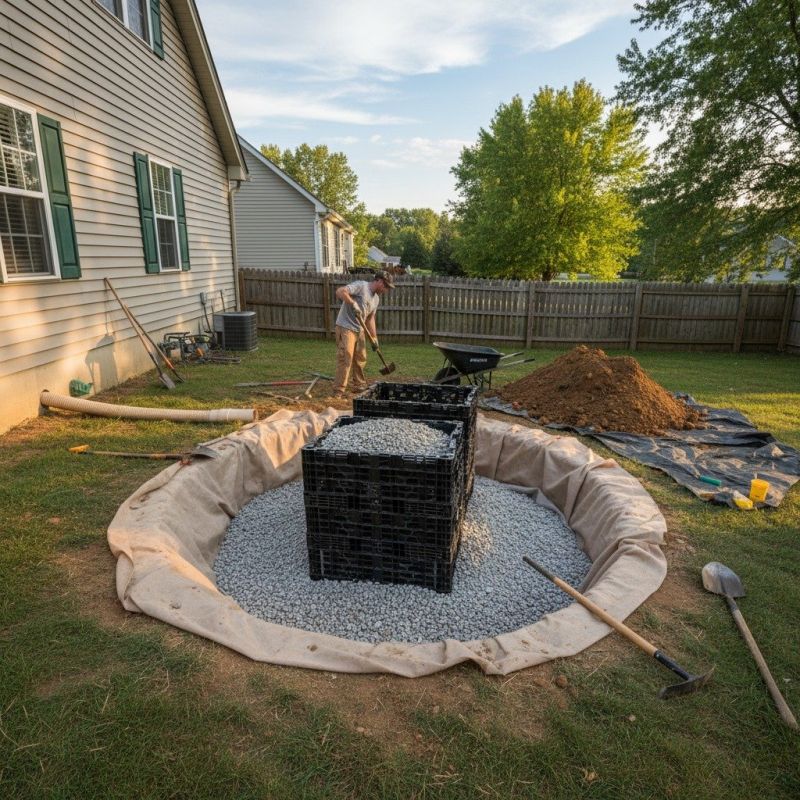
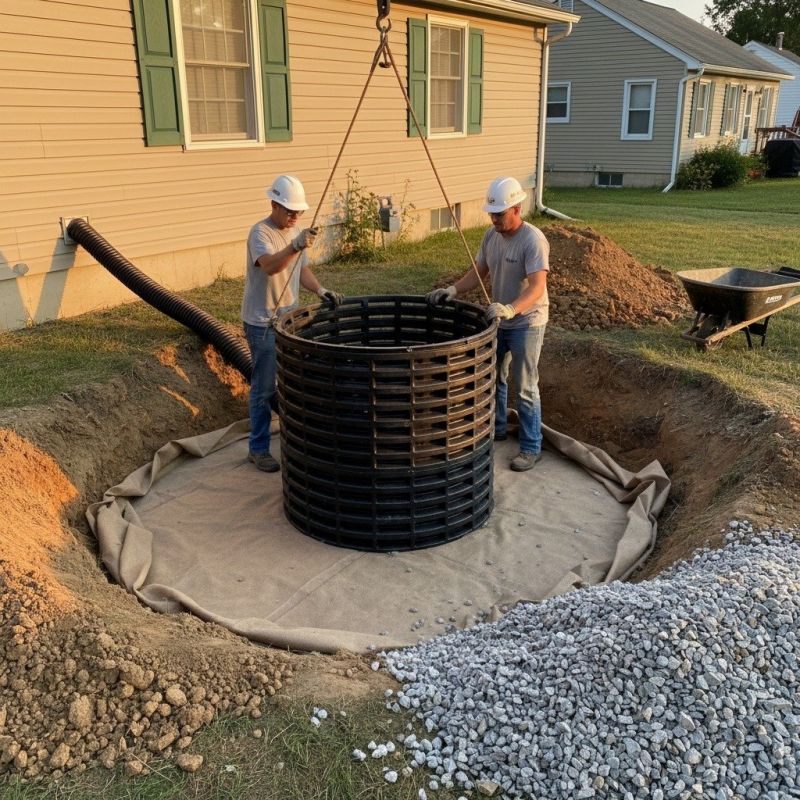
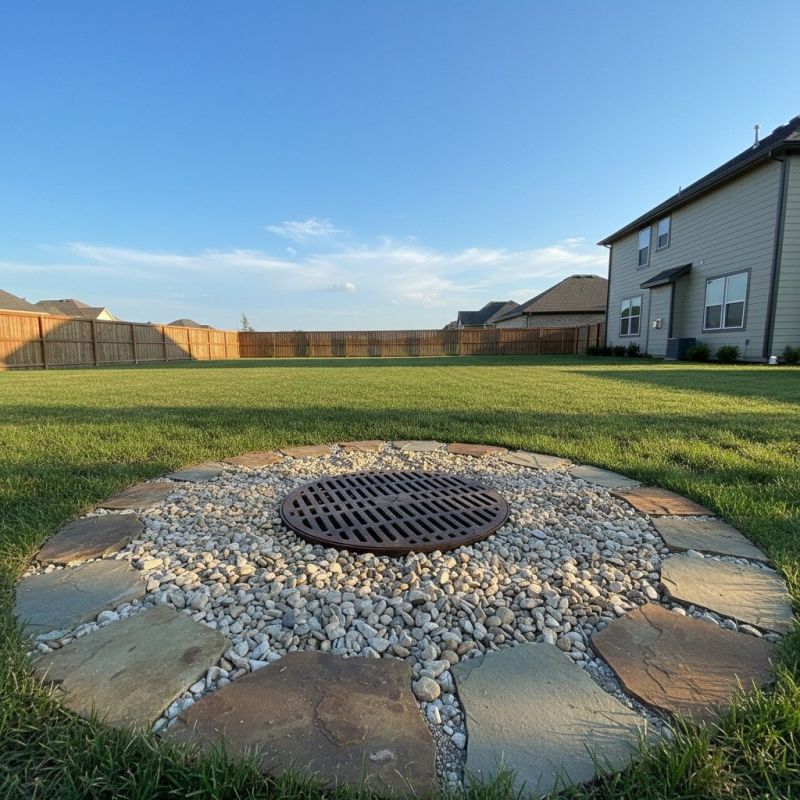
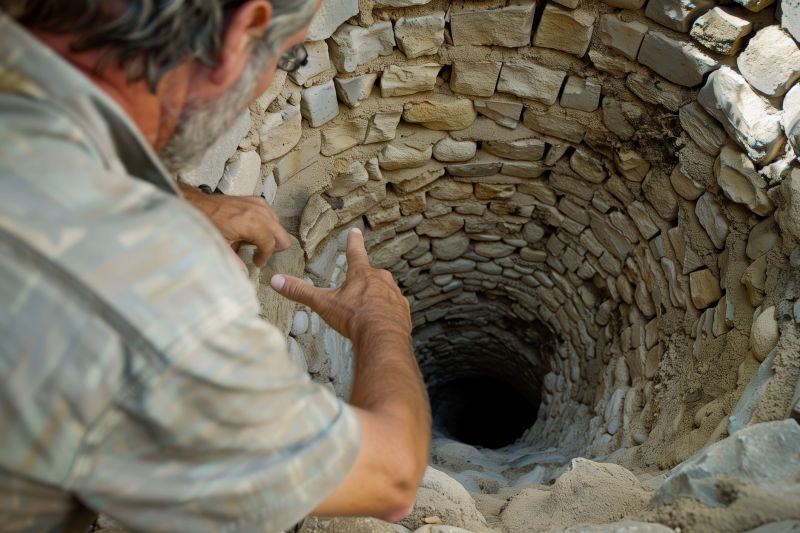
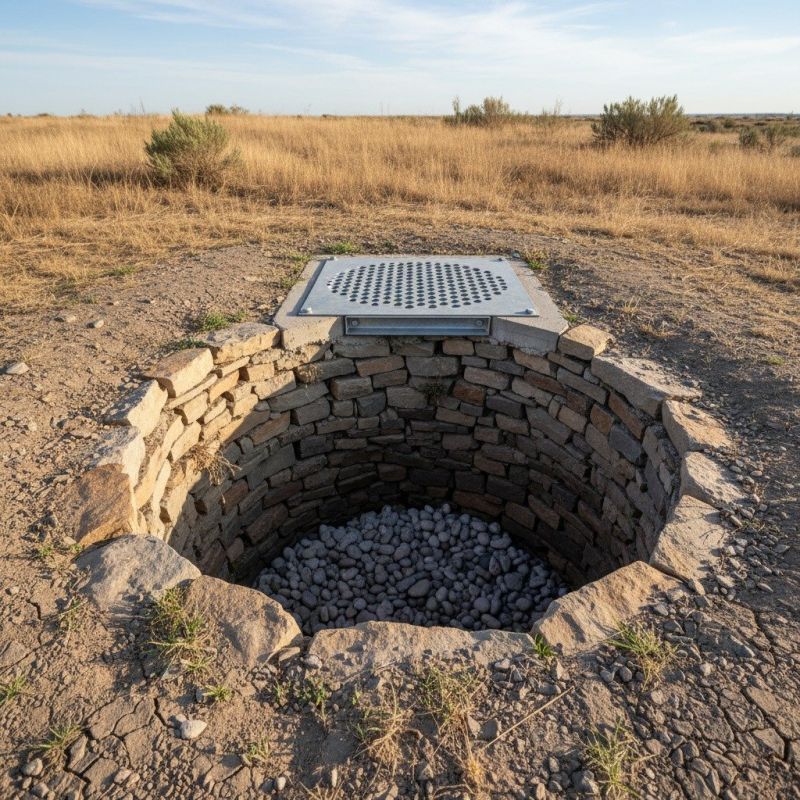
Dry well installation services involve the setup of underground systems designed to manage excess water and prevent pooling around a property. Homeowners and property managers often seek local contractors for this work when experiencing issues with drainage or planning improvements to their landscape. Skilled local service providers can assess site conditions, recommend appropriate solutions, and carry out installations that help maintain proper water flow and protect foundations from water damage.
Connecting with experienced local contractors ensures that the installation process is handled efficiently and appropriately for the specific property. These professionals typically handle everything from site evaluation to the installation of drainage systems, ensuring that the dry well functions effectively for years to come. Property owners can compare local providers to find the right fit for their drainage needs, making it easier to find a trusted service partner for dry well installation projects.
This guide provides information to help homeowners understand the process of dry well installation and what to consider when planning their project. It assists in comparing local service providers and understanding the types of services available in the area. By outlining key factors, it helps users gather the basics needed to connect with the right local contractors for their needs.