Optimal Timing for Dry Well Installations
Dry well installations are typically most effective when performed during specific weather conditions that facilitate proper excavation and soil absorption. Understanding the optimal timing ensures efficient installation and long-term functionality.
Spring offers moderate temperatures and stable soil conditions, making it ideal for dry well installation before heavy rainfall begins.
Summer can be suitable if soil moisture levels are adequate, but extreme heat may impact excavation work and curing times.
Fall provides cooler temperatures and often drier soil conditions, which can be advantageous for installation before winter.
Winter is generally less suitable due to frozen ground and increased risk of snow and ice, which can hinder excavation and installation processes.
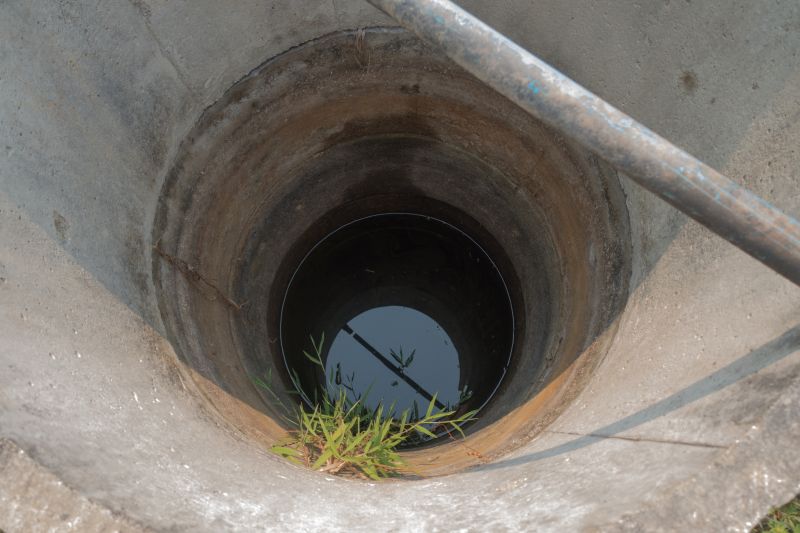
Ways to make Dry Well Installations work in tight or awkward layouts.
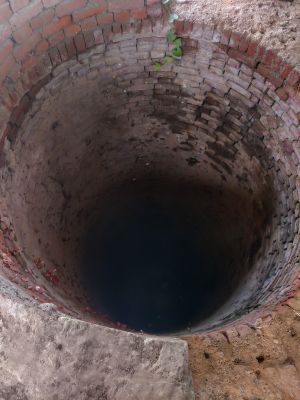
Popular materials for Dry Well Installations and why they hold up over time.
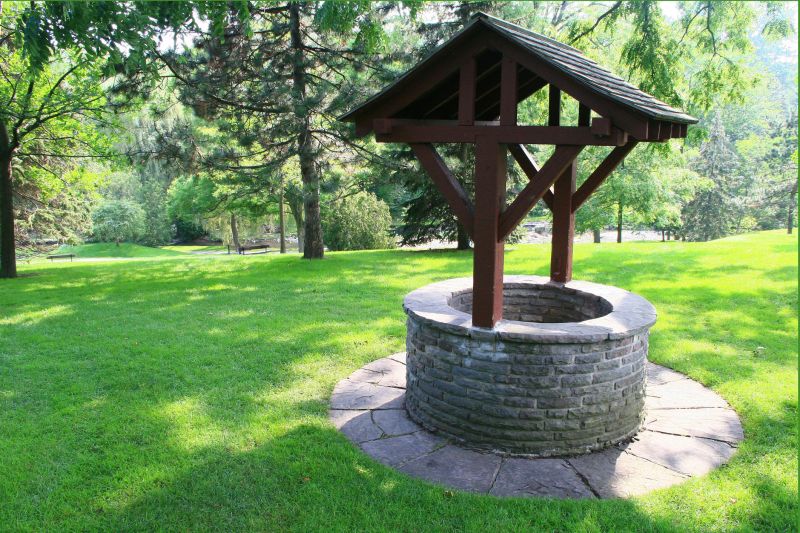
Simple add-ons that improve Dry Well Installations without blowing the budget.
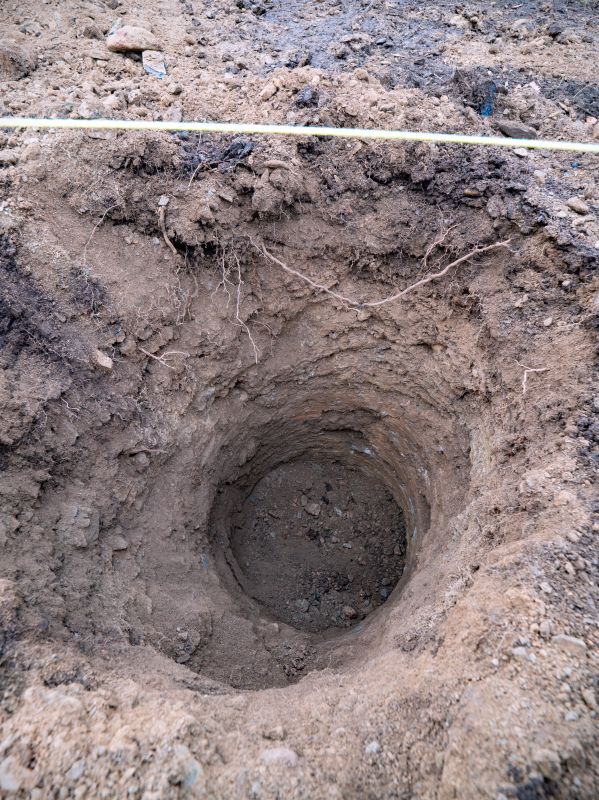
High-end options that actually feel worth it for Dry Well Installations.
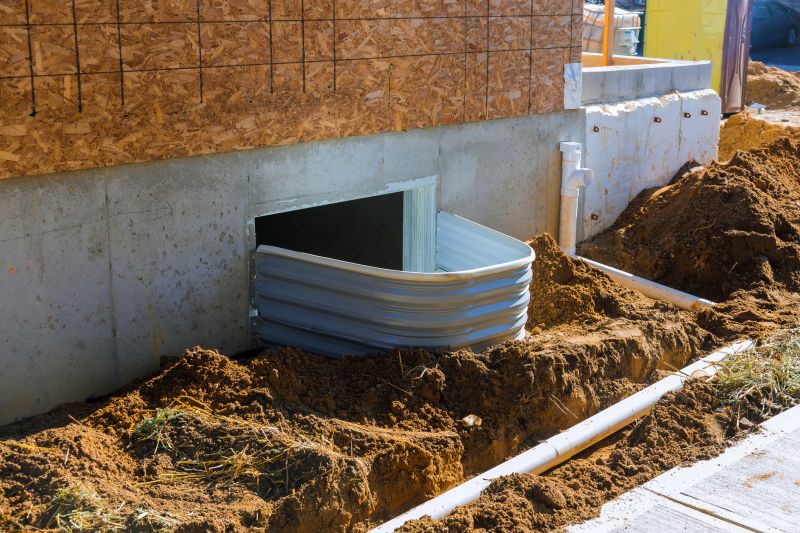
Finishes and colors that play nicely with Dry Well Installations.
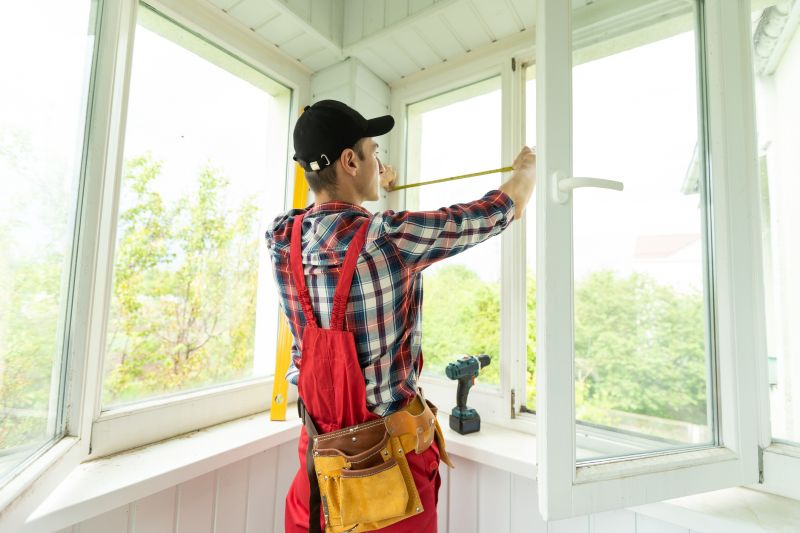
Little measurements that prevent headaches on Dry Well Installations day.
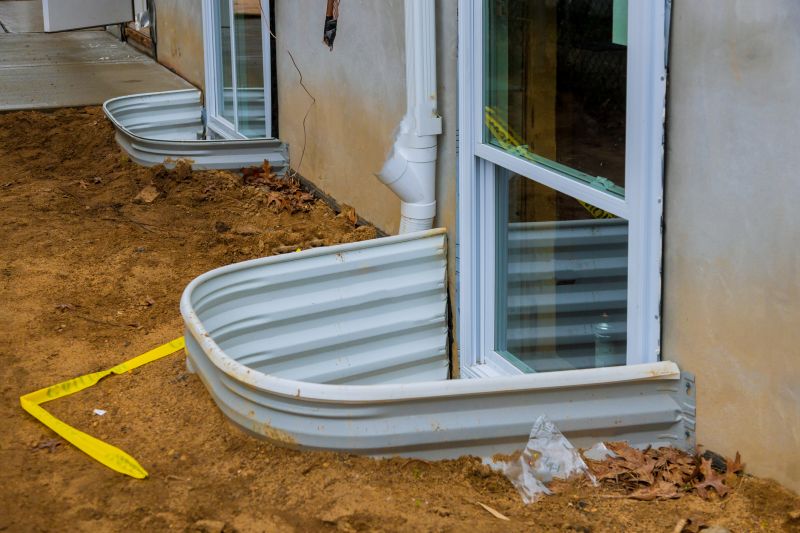
A 60-second routine that keeps Dry Well Installations looking new.
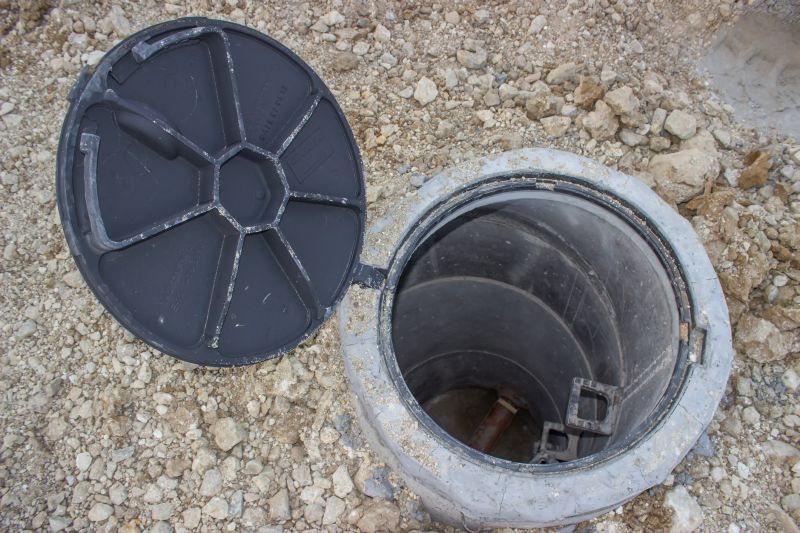
A frequent mistake in Dry Well Installations and how to dodge it.
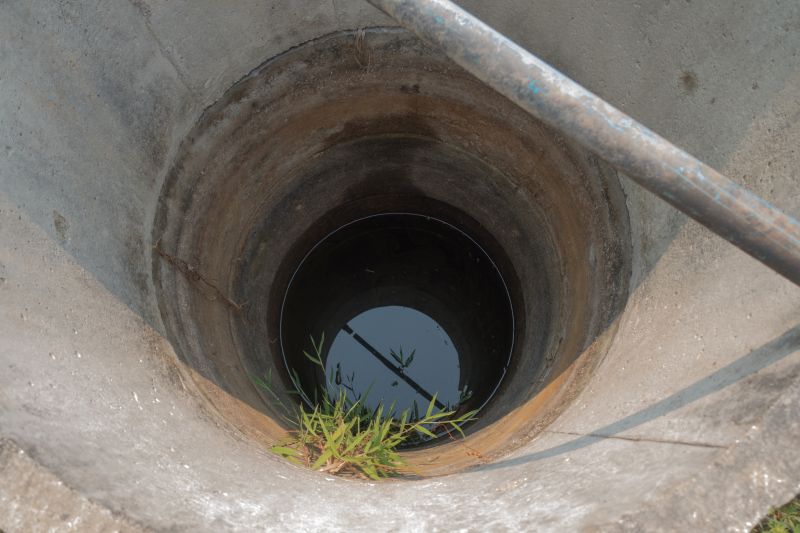
Small tweaks to make Dry Well Installations safer and easier to use.
| Season | Advantages |
|---|---|
| Spring | Optimal soil conditions and moderate temperatures. |
| Summer | Longer daylight hours and warm weather, if soil moisture is adequate. |
| Fall | Cooler temperatures and drier soil, suitable for installation. |
| Winter | Frozen ground and snow make installation impractical. |
Dry well installations are an essential component of effective drainage systems, helping to manage excess groundwater and prevent flooding. Proper timing ensures that the installation process is efficient and that the system functions reliably over time. Soil conditions, weather patterns, and temperature play significant roles in determining the best time for installation. Planning installations during periods of stable weather minimizes delays and reduces the risk of complications caused by frozen ground or excessive moisture.
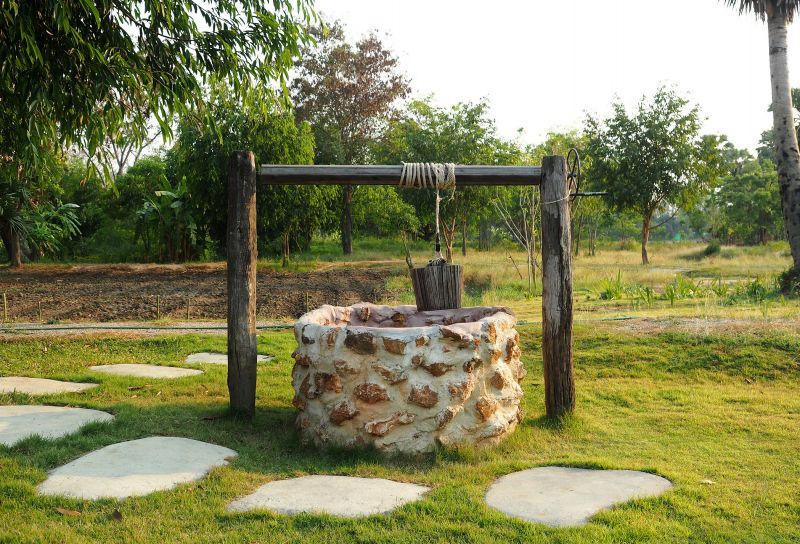
Lower-waste or water-saving choices for Dry Well Installations.
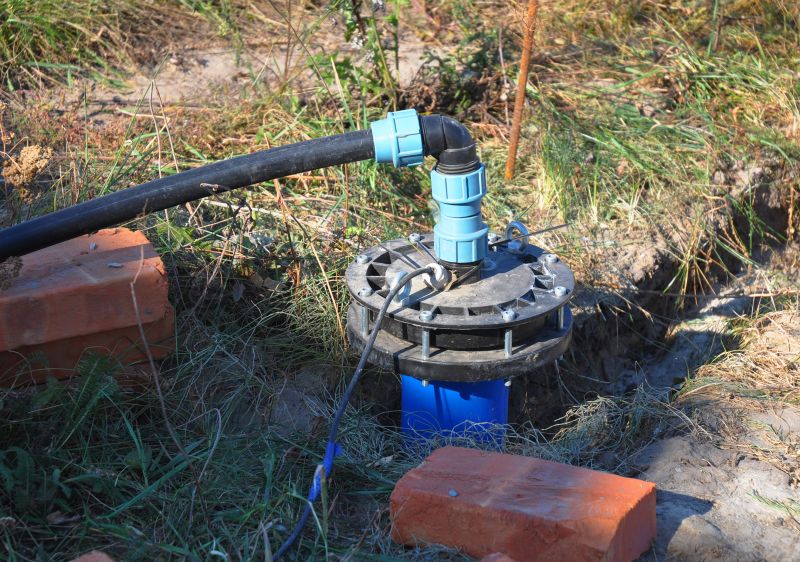
The short, realistic tool list for quality Dry Well Installations.
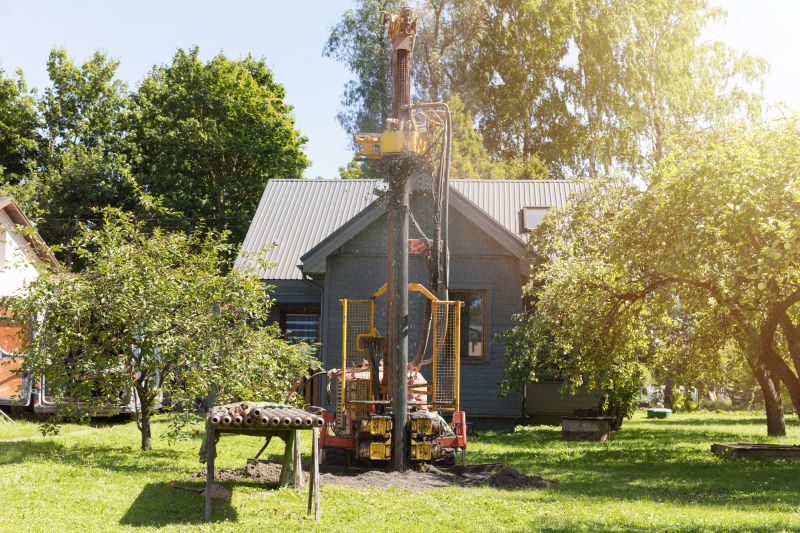
Rough timing from prep to clean-up for Dry Well Installations.
Quick checks and paperwork to keep after Dry Well Installations.
Interested in scheduling a dry well installation? Filling out the contact form can provide more information and help plan the optimal timing based on local conditions and project requirements.