
Expert Picks For Dry Well Installation Supplies To Improve Water Flow
Get insights into the top-rated products that help maintain dry well effectiveness and prevent common drainage issues.
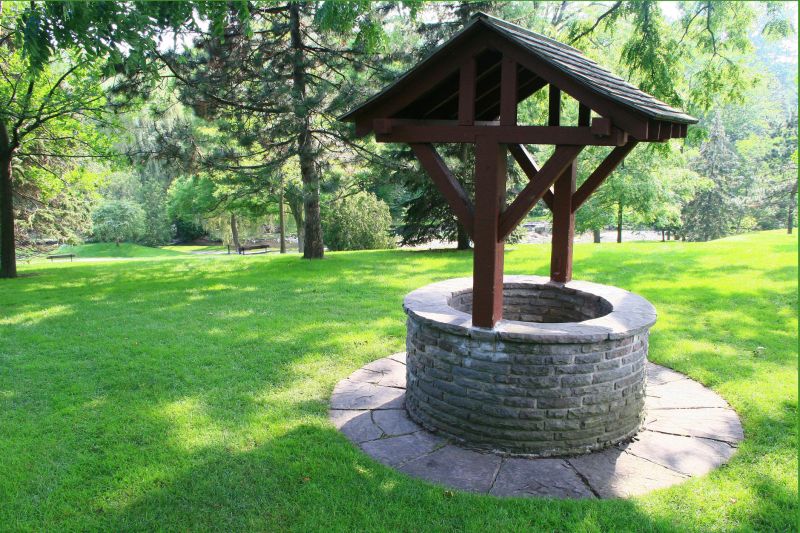 Installing a dry well is an effective method for managing excess water runoff and preventing pooling around structures. A dry well acts as a subterranean reservoir that allows water to percolate into the ground gradually, reducing erosion and surface water issues. Proper selection of products for dry well installations ensures the system functions efficiently and maintains durability over time. From various types of containers to drainage accessories, the right equipment can make installation smoother and more reliable. When planning a dry well setup, consideration of soil type, water volume, and space constraints is essential to choosing compatible components.
Top Overall Option
Perforated Drainage Pipe System
A perforated drainage pipe system combined with gravel and filter fabric offers a versatile solution for dry well installations. It allows water to flow efficiently into the ground while preventing debris from clogging the system. Easy to customize and install, this type of system is suitable for various site conditions and provides reliable drainage performance when properly assembled.
Types of Products For Dry Well Installations
Perforated Drainage Pipes
Flexible or rigid pipes with perforations that facilitate water flow into the dry well and surrounding soil.
Precast Concrete Rings
Stackable concrete rings that form the walls of a dry well, providing structural support and containment.
Plastic Dry Well Tanks
Preformed plastic containers designed specifically for underground water collection and dispersal.
Gravel and Crushed Stone
Drainage media that surrounds pipes and containers, aiding water percolation and filtration.
Filter Fabric and Geotextiles
Materials used to line the dry well to prevent soil intrusion and clogging of the drainage media.
Drainage Basin Covers
Protective covers that prevent debris from entering the dry well while allowing water entry.
Expandable Mesh Baskets
Mesh containers that hold gravel or other media, facilitating easy installation and maintenance.
Flexible Corrugated Pipes
Durable, flexible pipes suitable for adapting to various trench shapes and depths.
PVC Pipe Fittings
Connectors and elbows for routing drainage pipes efficiently within the system.
Inspection Ports and Access Points
Components that allow for easy inspection and maintenance of the dry well system.
Sump Pump Systems
Pumps used to remove collected water from the dry well when necessary.
Lid and Cover Assemblies
Secure lids to protect the dry well from debris and unauthorized access.
Expandable Drainage Modules
Modular components that expand to fit different installation sizes and capacities.
Rainwater Diverters
Devices that direct runoff into the dry well system for controlled dispersal.
Soil Stabilization Grids
Support structures that help maintain the integrity of the surrounding soil.
Popular Choices
Widely used for its adaptability and ease of installation across different site conditions.
Commonly selected for their durability and straightforward assembly in dry well construction.
Preferred for their lightweight nature and quick installation process.
A popular choice for surrounding pipes and containers to facilitate water flow.
Essential for preventing soil intrusion and maintaining system efficiency.
Often used to protect the inlet area from debris while allowing water entry.
Popular for their ease of maintenance and media containment.
Flexible piping that adapts well to various trench shapes and depths.
Commonly used for connecting drainage components securely and efficiently.
Frequently chosen for system accessibility and ongoing maintenance.
Popular for removing excess water from the dry well during heavy rainfall.
Selected for system protection and safety considerations.
Dry well systems are often composed of a combination of perforated pipes, filter fabrics, gravel or crushed stone, and protective containers. These components work together to facilitate water flow while preventing clogging and debris infiltration. The durability of the materials used directly impacts the longevity of the system, especially in challenging soil conditions or areas with high water flow. Proper installation and maintenance are key to ensuring the dry well continues to function as intended, especially during heavy rainfall or seasonal changes.
Selecting the appropriate products involves understanding the different configurations available, from prefabricated tanks to custom-built solutions. Some systems are designed for quick installation with minimal excavation, while others may require more extensive groundwork. Compatibility with existing drainage infrastructure and ease of access for inspections are also important factors. Investing in quality components can help mitigate future repair costs and ensure the system performs effectively over time. Overall, a well-chosen set of products for dry well installations can provide peace of mind and efficient water management for residential and commercial properties alike.
Key Buying Considerations
- Assess the volume of water runoff to determine system capacity.
- Evaluate soil type and permeability to choose appropriate drainage media.
- Consider the space available for installation and future expansion needs.
- Select durable materials resistant to corrosion and ground movement.
- Ensure compatibility between pipes, containers, and accessories.
- Check for ease of installation and maintenance requirements.
- Determine the need for access points or inspection ports.
- Decide on the appropriate size and number of perforations in pipes.
- Evaluate the system's ability to handle peak water flow during storms.
- Consider local building codes and regulations related to drainage systems.
- Look for components that facilitate quick assembly and disassembly.
- Prioritize systems with protective covers to prevent debris entry.
- Assess the availability of replacement parts and accessories.
- Think about future needs for system expansion or upgrades.
- Ensure proper sealing and leak prevention features are included.